Free kitchen towel SVG files
Tall and wide pictures for kitchen towels: a towel on its rail, stacked pots, a hen in mixing bowls, herbs, teacups, a bouquet of wooden spoons, a hem border and two in layered colour.
20 designs. Free for personal and commercial use, no sign-up. What you can do with them.
Or choose one below for its PNG, DXF and cutting sizes.
-
 Kitchen towel on a rail Solid · one piece
-
 Flour sack kitchen towel picture Solid · one piece
-
 Kitchen towels on a clothes line Solid · one piece
-
 Stacked pots kitchen towel picture Solid · one piece
-
 Herb pots kitchen towel picture Solid · one piece
-
 Hen in mixing bowls kitchen towel picture Solid · one piece
-
 Fruit crate kitchen towel picture Solid · one piece
-
 Wooden spoon bouquet kitchen towel picture Solid · one piece
-
 Stacked teacups kitchen towel picture Solid · one piece
-
 Row of vegetables kitchen towel picture Solid · one piece
-
 Bread and wheat kitchen towel picture Solid · one piece
-
 Retro coffee pot kitchen towel picture Solid · one piece
-
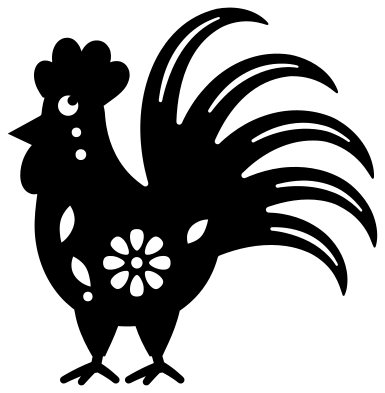 Folk art rooster kitchen towel picture Solid · one piece
-
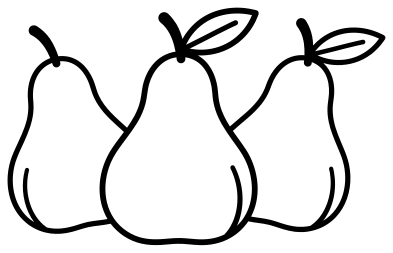 Pears kitchen towel picture in outline Outline · one piece
-
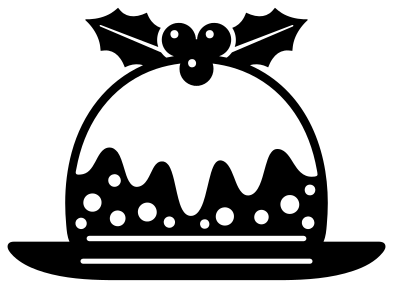 Christmas pudding kitchen towel picture Solid · one piece
-
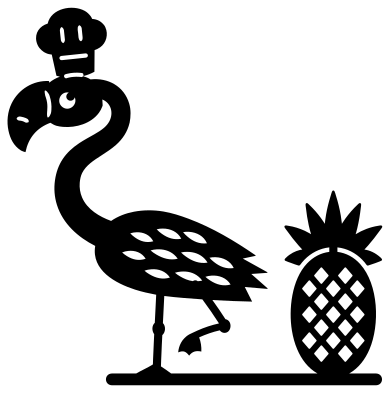 Flamingo and pineapple kitchen towel picture Solid · one piece
-
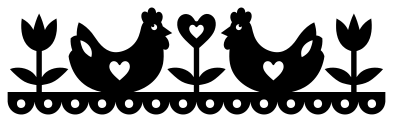 Hen border for a kitchen towel Solid · one piece
-
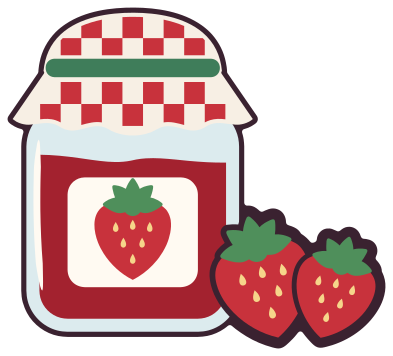 Layered jam jar kitchen towel picture Layered · 52 pieces
-
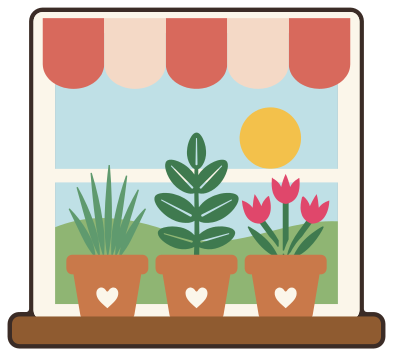 Layered herb window kitchen towel picture Layered · 38 pieces
-
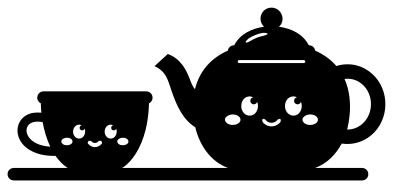 Cute teapot and cup kitchen towel picture Solid · one piece
Where a design goes on a kitchen towel
Most towels hang folded in three, so only the middle third shows. On a towel 50 cm wide that panel is about 16.5 cm across, and a picture 13 to 14 cm wide sits well in it. A flour sack towel is often 70 cm square or a little more, which gives a panel of 23 cm and room for 18 to 20 cm.
Fold the towel the way it will hang, press a crease down each side of the middle third and centre the picture between the creases, its foot 8 to 10 cm above the hem. The tall pictures, such as the stacked pots and the teacups, are drawn for that space. The border, the row of vegetables and the clothes line run across the whole width instead.
Cloth, vinyl and fine parts
Wash and dry the towel first, without softener, so that it shrinks before the vinyl goes on. Iron on vinyl holds best on smooth cotton and linen. On a waffle or terry weave the raised threads lift narrow lines, so choose the solid pictures there: the coffee pot, the stacked pots, the pudding or the cups. Mirror the design before you cut it.
For paint or bleach through a stencil, cut the picture in freezer paper, keep the part round it and iron that to the cloth, then save the inside pieces and iron them back in their places.
How to open the files
- Cricut Design Space: choose Upload, pick the SVG, and add it to the canvas. Set the width you want; the shape is already welded.
- Silhouette Studio: Designer Edition and above open the SVG. The free Basic Edition does not, so open the DXF instead.
- LightBurn, xTool Creative Space and Glowforge: import the SVG, then set the layer to cut, score or engrave.
- Inkscape, Illustrator and Affinity: open the SVG. It is a plain filled path, so you can recolour it, add a stroke or combine it with your own work.
- Printing or sublimation: use the PNG, which has a transparent background.
Each design page lists the file’s narrowest part at seven sizes, so you can tell whether it will survive at the size you plan to cut.
Questions
How big should a design be on a kitchen towel?
Measure the panel that shows when the towel is folded in three and leave at least 1.5 cm clear on each side. For a 50 cm towel that means 13 to 14 cm wide. The stacked pots and the hen then come out between 18 and 25 cm high, and the stack of teacups about 30 cm.
How do I repeat the hen border along a hem?
Its scalloped edging has straight ends that meet exactly. Divide the width of the hem by a whole number, scale one border to that length and place the copies end to end. Three repeats of 16.5 cm fill a 50 cm towel with a little to spare at each side.
Can I embroider these instead of cutting them?
Yes, by hand. Print the pears at the size you want, trace the lines on to the cloth with a water soluble pen and work them in back stitch or stem stitch. These are cut files and not machine embroidery files, so a sewing machine cannot read them.
 Pineapple SVG
 Coffee cup SVG
 Wine glass SVG
 Beer mug SVG
 Cupcake SVG
 Donut SVG